QR codes: fast, convenient, and safe when you stay alert
You reached this page because a QR code you scanned was created with Free QR. QR codes have quietly become part of daily life — they open restaurant menus, share Wi-Fi passwords, link to payment pages, confirm event tickets, and connect a printed poster to a full website in under a second. Instead of typing a long address by hand, you point your camera at a small square and the link is ready. That simplicity is exactly why the format spread so quickly across marketing, retail, logistics, and everyday communication.
A QR code itself is just an encoded link or piece of text — it is neither safe nor dangerous on its own. What matters is where it leads. Because the destination is hidden inside the pattern until you scan it, a short pause like this one is genuinely useful: it lets you see the real domain before you arrive. Read the address shown above. If it matches the brand or service you expected, you can continue with confidence. If it looks unfamiliar, misspelled, or unrelated to what you scanned, it is always fine to close the tab and go no further.
Simple habits that keep scanning secure
- Check the domain before entering passwords, card details, or personal data.
- Be cautious with codes stuck over existing ones on posters, parking meters, or menus.
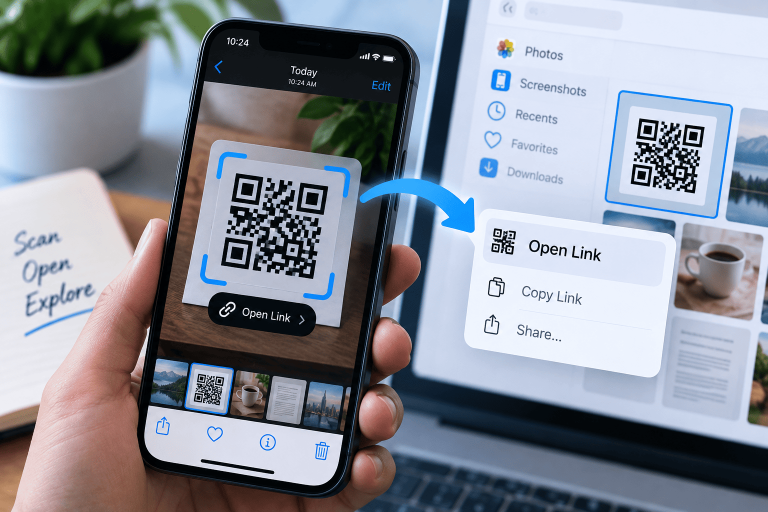
- Prefer your phone's built-in camera, which previews the link instead of opening it blindly.
- Treat urgent "verify now" or "claim your prize" pages the same way you would a suspicious email.
Used sensibly, QR codes save real time and remove friction for both businesses and the people they serve. A café can update its menu without reprinting a thing; a guest can join Wi-Fi without asking for the password; a customer can leave a review or open an app store page with a single tap. The technology works best when the person scanning stays a little curious about the destination — and that is all this brief screen asks of you. In a moment you will land on the page the code points to.